Martial Arts FAQ
Bodhidharma (Damo): Connecting Yoga & Kung Fu
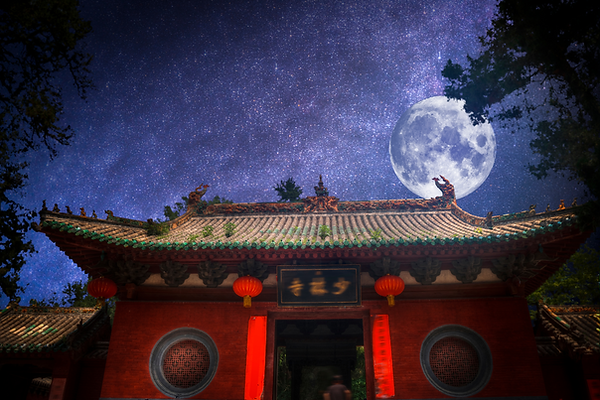
In the realm of physical and spiritual practices, yoga and kung fu may seem like two distinct worlds. However, when we delve deeper into their origins and philosophies, an intriguing connection emerges. One figure stands out in this intertwining narrative: Bodhidharma, or Damo, as he is known in China.
This article explores his journey and the myths surrounding his trek to the Shaolin temple, shedding light on the intricate link between yoga and kung fu.
The Journey of Bodhidharma
Bodhidharma, an Indian monk, is believed to have lived during the 5th or 6th century AD. He is traditionally credited as the transmitter of Chan Buddhism to China, and with this, the martial arts practice at Shaolin Temple.

The legends narrate that Bodhidharma traveled from India to China to spread the teachings of the Buddha. His journey was fraught with challenges, but his unwavering resolve saw him through. It was during his stay at Shaolin temple that he observed the monks' poor physical condition. To address this, he introduced a series of exercises to improve their strength and endurance. These exercises, influenced by Indian yogic practices, later evolved into what we now recognize as Shaolin Kung Fu.
The Yoga Kung Fu Connection
The connection between yoga and kung fu is rooted in the philosophy of balance and harmony. Both disciplines seek to harmonize the body, mind, and spirit, albeit through different techniques and practices.
Yoga, originating from ancient India, uses postures (asanas), breath control (pranayama), and meditation (dhyana) to achieve this balance. On the other hand, Kung Fu, a Chinese martial art, combines dynamic movements with deep breathing and focus to create a state of harmony.
The exercises introduced by Bodhidharma, often referred to as “The 18 Hands of the Lohan," are said to incorporate elements of both yoga and kung fu. These exercises involve physical postures that enhance strength and flexibility (akin to yoga asanas), paired with breath control, focus, and projection of power (mirroring the principles of Kung Fu).
Myths and Legends: The Impact of Bodhidharma
The impact of Bodhidharma's teachings at the Shaolin temple extends beyond the realm of martial arts. Many legends surround his time there, further mystifying his influence.
One such legend involves Bodhidharma meditating in a cave for nine years, facing a wall. It is said that his intense focus and determination led to the creation of a shadow on the rock face, which remains to this day.
Another myth suggests that Bodhidharma cut off his eyelids to prevent himself from falling asleep during meditation. Where his eyelids fell, the first tea plants supposedly sprouted, attributing the discovery of tea to him.
While these stories may be more myth than fact, they underscore the profound impact Bodhidharma had on shaping the practices at the Shaolin temple and, by extension, the development of Kung Fu.
The connection between yoga and kung fu, as embodied in the journey of Bodhidharma, is a testament to the fluidity and adaptability of these ancient practices. Despite their distinct origins, both disciplines share a common goal: the harmony of body, mind, and spirit.
In the modern world, where physical health is often linked with mental well-being, the lessons from Bodhidharma's teachings hold relevance.
Whether we choose to follow the path of yoga, the way of kung fu, or a blend of both, the ultimate aim remains the same - achieving balance and harmony within ourselves.
Damo's journey serves as a timeless reminder of this inter-connectedness, inspiring us to explore these practices more deeply and appreciate their shared heritage.